Navigating the Emotional Roller Coaster of Business Exit: Confidence, Doubt, Relief, and Regret
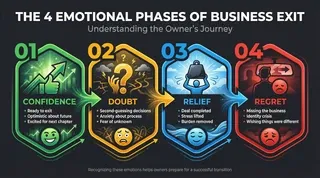
I want to take you on a journey through the emotional landscape of selling a business. If you're like me, you've probably wondered what really happens inside the mind of a business owner during an exit. The emotional journey can be as intense as the financial one, from curiosity to the final handshake. Whether you're just starting to think about selling or are deep in negotiations, understanding this cycle can prepare you both emotionally and strategically.
Let's dive into the four key phases: confidence, doubt, relief, and regret. I'll share insights and real-world experiences to help you recognize these stages and manage them effectively. My goal is to equip you with the clarity, control, and peace of mind you need for a successful transition.
Why Emotions Matter in Business Exits
Selling a business isn't just a financial transaction—it's a deeply human experience filled with complex emotions. While many focus on valuation, deal structures, or strategic planning, the emotional impact can derail even the most well-prepared owner. Understanding that emotions such as confidence, doubt, relief, and regret are normal doesn't suffice; intentionally managing them can significantly impact the outcome.
I've seen firsthand how the journey involves a series of emotional shifts that can either empower you or push you off course. Preparing for these stages before they happen allows you to navigate them more smoothly and emerge successful—both financially and emotionally.
The Four Phases of the Emotional Cycle in Business Exit
1. Confidence: Curiosity and Readiness
When I first contemplated an exit, I felt a surge of confidence. It might have been curiosity about my business's worth, fatigue from the entrepreneurial grind, or a desire to explore new horizons.
What it looks like:
- Exploring options with a sense of control
- Testing the waters without full commitment
- Feeling emotionally detached and cautious
Tips to manage:
- Recognize this as a phase of testing and learning
- Keep emotions in check; don't overcommit prematurely
- Start thinking strategically about your goals and what you're truly seeking
Example:
At this stage, I quietly assessed market interest while feeling a sense of control, knowing I could step back if things didn't feel right.
2. Doubt and Emotional Whiplash: The Hunt for Validation
As interest began to materialize, real scrutiny and data review triggered intense emotional responses. Suddenly, I faced criticism, risks, and valuation mismatches that challenged my self-identity.
What it looks like:
- Feeling vulnerable and defensive
- Questioning the deal or even the decision to exit
- Experiencing frustration, disappointment, and internal conflict
Common pitfalls:
- Withholding information out of fear of criticism
- Overreacting to negative feedback, leading to stalled negotiations
- Doubting the worth of the business despite earlier confidence
Actionable advice:
- Keep perspective; emotional discomfort is part of the process
- Rely on trusted advisors for objectivity
- Revisit your initial objectives and remind yourself of your “why.”
Real-world example:
During due diligence, I often felt criticized personally, which slowed down progress and eroded my confidence if not managed properly.
3. Relief and Identity Shift: The Final Stretch
Reaching the finish line brought relief—an acknowledgment that the process was nearing conclusion. However, this phase often triggered a profound identity shift, leading to questions like, "Who am I without this business?"
What it looks like:
- Feeling relieved that the deal is done
- Experiencing emotional emptiness or hollow pride
- Facing the loss of long-term identity tied to the business
Managing this phase:
- Prepare for post-sale identity shifts
- Engage with your support network and process your feelings
- Recognize that this is a transition, not an end
Pro tip:
The emotional moat around your business needs to be consciously managed during this transition; without it, panic or regret can set in.
4. Regret and Reflection: Post-Deal Dynamics
After the excitement diminished, I looked back with questions—did I get enough value? Could I have negotiated better? This reflection can bring regret, fueling doubts about the decision.
What it looks like:
- Questioning whether the sale was worth it
- Comparing the emotional versus financial gains
- Wondering if I left something on the table
Key insight:
Money alone can't compensate for the emotional toll experienced during the exit. A well-planned, conscious exit prepares you to accept and learn from these feelings.
Practical tip:
Focus on understanding your journey thoroughly; this awareness can turn regret into valuable lessons and set the stage for future endeavors.
How to Manage Your Emotional Journey Effectively
Create Closure:
Develop routines or rituals to process feelings of loss and transition.
Maintain Perspective:
Regularly reconnect with your initial motivations for selling and your core objectives.
Set Realistic Expectations:
Be honest about the emotional highs and lows; anticipate these feelings and accept them.
Seek Support:
Surround yourself with advisors and peers who've been through it. Their perspective can anchor you during turbulent times.
Plan Early:
Develop a proactive exit plan that incorporates emotional preparedness—don't wait until the last minute.
Why a Robust Exit Plan Works
The difference between a good and a great exit isn't just the deal value but also your emotional readiness. Planning your exit years in advance enables you to:
- Manage expectations
- Minimize surprises
- Reduce emotional stress during negotiations
- Approach post-sale life with clarity
I've learned that "exiting well" goes beyond the valuation—it's about orchestrating a comprehensive process that respects your emotional health and long-term well-being.
Final Thoughts: Exit with Control and Clarity
Every business owner will experience these emotional stages; the key lies in how you handle them. By understanding where you are on the cycle—confidence, doubt, relief, or regret—you can better prepare and manage the complicated human side of business exit.
Remember, the human dynamic is the most unpredictable element. With proper planning, support, and self-awareness, you can exit on your terms, with confidence and peace of mind.
Are you prepared to plan your exit journey?
Start early, surround yourself with experience, and always keep your broader purpose in focus. The human side of exiting a business is challenging but manageable with preparation and perspective.